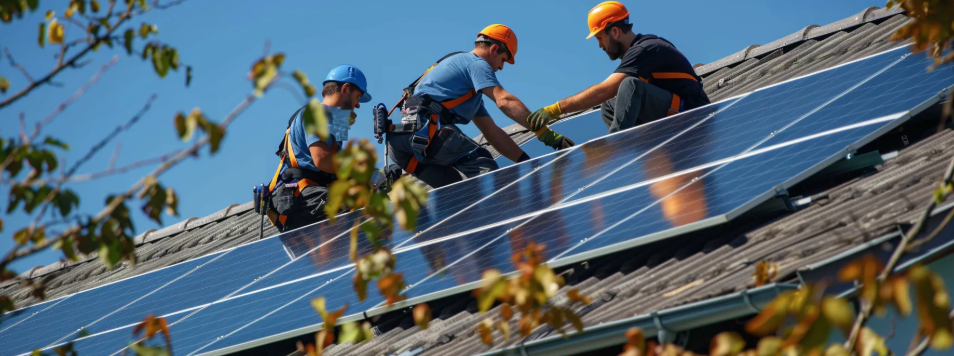
As energy crises become more frequent and unpredictable, homeowners are increasingly turning to alternative sources of power. One standout solution is Home Solar Installation. Solar energy systems offer a reliable and sustainable way to meet electricity needs while reducing dependence on traditional energy providers. This article explores why homeowners are choosing solar power during energy crises, highlighting the factors, financial benefits, and environmental impacts that drive this significant shift.
The Rise of Home Solar Installation During Energy Crises
The demand for Home Solar Installation has surged in recent years, particularly during periods of energy instability. This trend can be linked to the increased reliance on a stable energy supply, as homeowners seek to insulate themselves from fluctuating utility costs. Solar panels offer a viable solution, providing consistent energy output even when external conditions are less than ideal. For instance, using a Gantt Chart to plan the installation timeline can help ensure that solar projects are completed efficiently, minimizing delays and maximizing energy savings.
Another critical aspect driving this trend is the advancement in solar technology. Modern systems are equipped with features like API Gateway, enabling seamless integration with home automation systems. This technological synergy enhances the user experience, making solar energy a more attractive option for tech-savvy homeowners.
See also: How to Handle Heavy Waste Easily with a Rubble Container Solution
Factors Driving Homeowners to Embrace Solar Solutions
Several factors contribute to the growing popularity of solar solutions among homeowners. One significant factor is the increase in energy costs, which has prompted many to seek cost-effective alternatives. By adopting solar power, homeowners can reduce their monthly electricity bills, achieving substantial savings over time. Moreover, the reliability of solar energy during power outages offers an added layer of security, ensuring that essential household functions remain uninterrupted.
In addition to cost savings, solar installations also enable homeowners to engage in more robust Risk Mitigation Plans. By diversifying their energy sources, they are less vulnerable to market fluctuations and supply disruptions. This strategic approach is further supported by tools like the Stakeholder Engagement Matrix, which helps homeowners understand and navigate the complexities of solar adoption.
Financial Incentives and Long-Term Savings with Solar Energy
Financial incentives play a pivotal role in encouraging homeowners to invest in solar energy. Various government programs offer tax credits and rebates, significantly lowering the initial investment required for solar panel installation. According to recent reports from the Department of Energy, these incentives can cover up to 30% of the installation costs, making solar power financially accessible to a broader audience.
Long-term savings are another compelling reason for the shift to solar energy. Homeowners can expect to see a return on investment within a few years, with ongoing savings on energy bills. Furthermore, the durability and low maintenance costs of solar panels ensure that these savings continue for decades. For instance, a recent study by the National Renewable Energy Laboratory found that homes with solar panels typically experience a 20-year lifespan with minimal degradation.
Environmental Impact and Energy Independence Through Solar Power
Beyond financial benefits, solar energy offers significant environmental advantages. By reducing reliance on fossil fuels, solar power helps decrease carbon emissions, contributing to a cleaner environment. This aspect is particularly appealing to homeowners who are environmentally conscious and wish to minimize their ecological footprint.
Energy independence is another critical benefit of solar installations. By generating their own electricity, homeowners are less dependent on the grid, providing greater autonomy and security during energy crises. This independence aligns with modern practices such as Agile Retrospective, where continual improvement and adaptation are key strategies. By assessing their energy needs and adapting their solar systems accordingly, homeowners can ensure a steady supply of clean energy.
Conclusion

The decision to invest in Home Solar Installation is driven by a combination of financial, environmental, and strategic considerations. As energy crises continue to pose challenges, solar power offers a sustainable and reliable solution that empowers homeowners with cost savings, energy independence, and a reduced carbon footprint. For those seeking a resilient energy strategy, solar installation provides a forward-thinking approach to managing household energy needs.