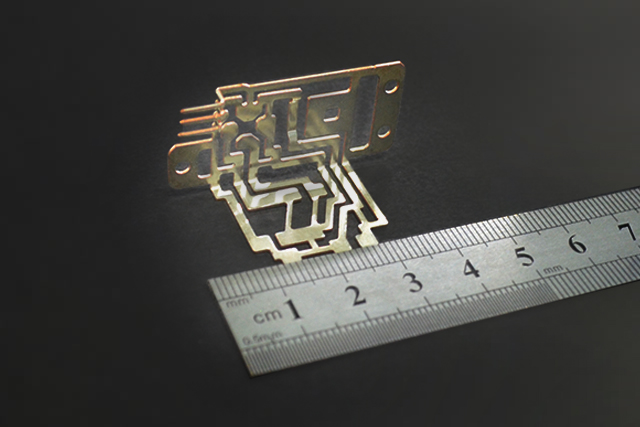
Not every automotive stamping part is about electronics or charging systems. A large share of what stamping suppliers produce for the automotive industry falls into a much less glamorous category: structural components that quietly hold assemblies together and keep them properly aligned across years of vibration, temperature swings, and everyday mechanical stress.
Strength and Dimensional Accuracy Have to Work Together
Automotive structural parts occupy a demanding middle ground between two requirements that do not always naturally go together. They need excellent strength to handle the mechanical loads and vibration a vehicle experiences over its operating life, while also maintaining accurate dimensions so they fit correctly with every other component in the assembly around them. A structural part that is strong but slightly out of tolerance can create fitment problems that ripple through an entire assembly process, while a part that fits perfectly but lacks adequate strength risks premature failure once it is actually in service.
Achieving both of these qualities simultaneously is really what separates well-engineered automotive stamping parts from parts that merely look correct on initial inspection but do not hold up reliably under real-world conditions over time.
Different Vehicle Assemblies, Different Demands
Structural stamping parts show up across a genuinely wide range of vehicle systems, and each application brings its own specific combination of requirements. A component supporting an electronic module has different priorities than one providing mounting support in a door assembly, which again differs from a structural part supporting a motor. This variety is exactly why customized metal components, engineered around the specific requirements of each particular assembly rather than a single generic structural part, tend to perform more reliably across a vehicle’s different systems.
Long term reliability is the real test for this category of component, since a structural part failing years into a vehicle’s service life is a far more serious problem than most other component failures, given how central these parts are to holding larger assemblies correctly in place.
Material Choice Reflects the Specific Job at Hand
Different structural applications call for genuinely different materials. Stainless steel offers a strong combination of strength, corrosion resistance, and durability suited to harsh operating environments, making it a common choice for structural brackets and support parts exposed to road conditions, moisture, and temperature extremes. Iron materials provide strong mechanical properties at a more cost-effective price point, which makes sense for heavier-duty structural applications where budget considerations matter alongside raw strength. Aluminum increasingly shows up in structural roles specifically where weight reduction is a priority, trading some raw strength for meaningful weight savings that benefit overall vehicle efficiency.
Why These Parts Rarely Get Attention Until They Fail
Structural stamping components are, almost by design, meant to be invisible during normal vehicle operation. A properly engineered bracket or support part simply does its job silently for years, which is exactly why these components get so little attention compared to more visible or high tech vehicle features. That invisibility is actually the mark of success, since a structural part that draws attention to itself is usually one that has already failed or is showing signs of doing so.
See also: Top 5 Tableau Dashboard Pitfalls for Business Analytics Students (and How to Avoid Them)
What This Means for Anyone Specifying These Components
For engineers working on vehicle structural design, matching the right material and manufacturing approach to each specific structural application, rather than defaulting to a single material choice across every part, tends to produce more reliable results across the different demands a vehicle’s various assemblies actually place on their supporting components. Getting this right upfront is a lot less costly than dealing with premature structural failures once vehicles are already in customers’ hands.
The Cost of Getting This Wrong Shows Up Later, Not Immediately
One of the trickier aspects of structural stamping quality is that problems often do not appear right away. A part with a marginal defect might pass initial inspection and perform adequately for months or even years before finally showing signs of fatigue or failure under real-world driving conditions. This delayed feedback loop is exactly why upfront quality control, careful material selection, and dimensional consistency across an entire production run matter so much for structural components specifically. By the time a structural failure actually surfaces, it has usually already affected a large number of vehicles built from the same production batch, which makes prevention through rigorous manufacturing standards far more valuable than after-the-fact correction once a pattern of failures starts to emerge in the field.