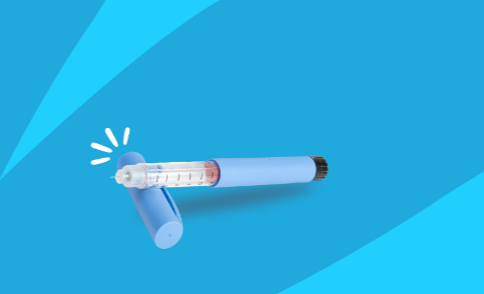
Microdose Ozempic refers to using the medication Ozempic at doses lower than the standard prescribed amounts. People often wonder what effects to expect from these smaller doses and whether they offer benefits different from typical treatment plans. The short answer is that microdosing Ozempic can produce subtler effects, but understanding these requires careful consideration of dosing, individual health factors, and realistic expectations.
What Is Microdose Ozempic?
Ozempic is a medication typically prescribed for managing type 2 diabetes and sometimes prescribed off-label for weight management. A microdose means taking a fraction of the usual dose-often less than half or even a quarter of the standard daily amount. The idea behind microdosing is to minimize side effects while potentially gaining gradual benefits over time. However, clinical research on the outcomes of microdosing Ozempic is limited, so most information comes from anecdotal reports and preliminary observations.
Common Questions About Microdose Ozempic
People considering microdosing Ozempic often ask:
– Will lower doses still help with blood sugar control or appetite suppression?
– Are side effects less likely or less severe when microdosing?
– How quickly can any noticeable changes occur?
– Is microdosing safe, especially without close medical supervision?
The answers vary depending on individual factors like metabolism, health status, and concurrent medications. Generally, lower doses tend to produce milder effects but may require longer periods to notice changes. Side effects such as nausea or digestive discomfort might be less frequent but are still possible.
Risks and Important Caveats
Using Ozempic at lower doses without medical guidance carries risks. Dosage adjustments are usually made by healthcare providers who monitor how the body responds. Self-medicating or off-label dosing can lead to unpredictable blood sugar levels, nutrient absorption issues, or unexpected side effects. It is essential to consult a healthcare professional before attempting any microdosing strategy and to report any unusual symptoms promptly.
Furthermore, microdosing should not be viewed as a shortcut or alternative to a balanced diet, physical activity, and proper medical treatment. The full therapeutic profile of Ozempic involves specific dosing schedules tailored to individual needs, which microdosing may not replicate effectively.
How to Evaluate Microdose Ozempic Options
If exploring microdose Ozempic, consider the following criteria to make a practical assessment:
– Dosage precision: Ensure the ability to measure and administer small doses accurately.
– Medical supervision: Regular check-ins with a healthcare provider to evaluate effectiveness and safety.
– Expected outcomes: Set realistic goals regarding blood sugar control, appetite changes, or weight effects.
– Side effect monitoring: Keep a detailed log of any symptoms or changes experienced.
– Cost and access: Understand the financial and logistical aspects of obtaining Ozempic at varied doses.
Using these factors as a framework helps create a balanced view of microdosing and supports safer, more informed decisions.
Better Comparison Criteria for Microdose Ozempic Products
When comparing different options for microdose Ozempic, it is useful to look beyond price and availability. Consider formulation consistency, user reviews regarding tolerability, guidance resources provided by the manufacturer, and the transparency of ingredient sourcing. A comprehensive comparison can reveal which products and approaches align best with individual health goals and safety standards.
For those interested in a detailed evaluation, the full FormBlends comparison offers an in-depth look at various microdose Ozempic options, highlighting key differences and considerations.
Frequently Asked Questions
What is the difference between microdose Ozempic and standard dosing?
Standard dosing follows prescribed amounts intended to achieve clinical outcomes within a defined timeframe. Microdosing uses smaller quantities, typically to minimize side effects or explore gradual benefits, but may not produce the same effects as standard doses.
Can microdose Ozempic prevent side effects?
Lower doses may reduce the incidence or severity of side effects for some individuals. However, side effects can still occur, and microdosing does not guarantee complete avoidance.
Is it safe to adjust Ozempic doses without a doctor?
Adjusting Ozempic or any medication without professional guidance is discouraged due to potential health risks. Always consult a healthcare provider before making any changes to medication regimens.
Final Note
This article is for informational purposes only and does not replace professional medical advice. Always consult a healthcare provider before starting, stopping, or changing any medication.
What to verify before acting
Before a reader relies on any comparison about microdose ozempic results what happens at lower doses, the safest move is to confirm the basics directly. Check when the page was last updated, whether the criteria are explained clearly, and whether the recommendation separates facts from marketing claims. It also helps to compare total cost, access requirements, support, refund language, and any limits that could change the real-world value of an option.
The goal is not to find a perfect answer from one article. The goal is to narrow the search to a short list, understand the tradeoffs, and know which questions to ask next. That approach is slower than clicking the first result, but it usually produces a better decision and reduces the chance of being pulled in by a page that ranks well without explaining enough.