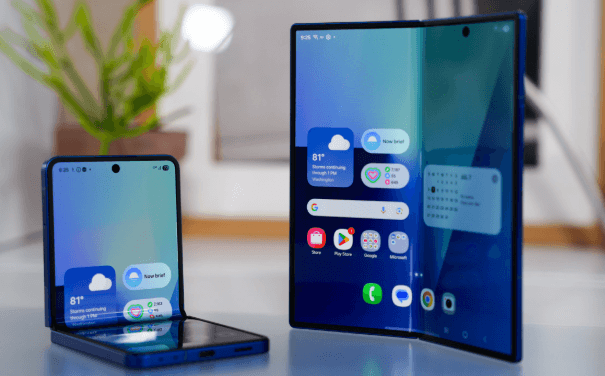
Foldable devices promise portability with larger displays, yet real traction hinges on tangible workflow gains and durable, affordable hardware. The sector faces questions about lifecycle economics, app maturity, and cross-platform ecosystems that support multi-tasking. Enterprise and creative use cases could tip adoption, but reliability and cost must align with daily needs. As standards form and developers align incentives, the market tolerances for hinge and display resilience will shape whether foldables become a lasting trend or a cautious experiment.
Is Foldable Tech Really Solving a Real Need
Foldable devices have emerged as a potential solution to fragmentation in screen sizes and device form factors, but their real value hinges on whether the foldable design materially enhances user workflows and multitasking in daily use.
The analysis weighs foldability adoption against actual user necessity, evaluating efficiency gains, app ecosystem maturity, and measurable productivity impacts within enterprise and creative workflows.
How Durable and Affordable Are Foldables?
Durability and affordability remain the two pivotal levers shaping foldables’ market trajectory, with performance under daily use and total cost of ownership driving adoption more than novelty alone. In industry terms, durability costs hinge on hinge mechanisms, display resilience, and wear patterns, while foldable materials determine weight, flexibility, and repairability, influencing lifecycle economics and consumer confidence beyond initial excitement.
Use Cases That Prove (or Prove Not) Foldables’ Value
As the industry weighs durability and cost against consumer expectations, real-world use cases illuminate where foldables deliver tangible value beyond novelty. The analysis highlights folding ergonomics shaping daily tasks and multi-tasking efficiency, while app adaptability tests ecosystems across form factors.
Targeted productivity, media consumption, and collaboration use illuminate limits and benefits, framing a measured verdict on whether foldables justify premium investment.
What Comes Next: Trends, Standards, and Developer Opportunities
What comes next for foldables hinges on converging trends in display engineering, ecosystem maturity, and developer incentives that collectively shape adoption velocity and use-case expansion.
The path emphasizes trend adoption dynamics and ongoing standardization gaps, as stakeholders push interoperability, cost optimization, and modular frameworks.
A mature ecosystem invites targeted opportunities for developers, balancing freedom with disciplined craftsmanship and cross-platform predictability.
See also: FinTech: The Digital Transformation of Finance
Frequently Asked Questions
Are Foldables Truly Repairable or Repair Costs Prohibitive?
Repairability exists but costs can be prohibitive, depending on model and region. The assessment centers on repairability costs and the evolving repair ecosystem, which influence lifecycle decisions; industry incentives and consumer demand shape sustainability and freedom in usage.
Do Foldables Work Well in Extreme Climates or Outdoors?
Foldables struggle variably in extreme conditions; outdoor durability depends on materials, sealing, and hinge design. Anecdote: one device survived rain and dust but failed in freezing temps, illustrating foldable weather limits and resilience potential for outdoor use.
How Do Privacy and Data Security Differ on Foldables?
Privacy and data security on foldables differ mainly in device form factor and multi-pane usage; implications include expanded attack surfaces and nuanced app permissions, while data encryption remains vital, extending to on-device, in-transit, and cross-app contexts.
Will Foldables Impact Device Resale Value Long-Term?
“Open the lid and watch wheels turn”—the answer: foldables may experience higher resale depreciation due to niche demand, but durability tradeoffs and repair costs influence long-term value; industry data suggests resilience if volumes stabilize and warranty support expands.
Can Foldables Support Robust Multitasking Without Lag?
Foldable multitasking is approaching, yet consistent lag-free performance remains device-dependent; optimized software, efficient GPU scheduling, and thermal management will determine whether these form factors sustain seamless, freedom-seeking productivity in real-world workflows.
Conclusion
Foldables face formidable friction: fragile hinges, fluctuating costs, and fragmented ecosystems. Yet focused feasibility favors function-ready forums, where form expands workflows and fosters fearless experimentation. Durable design, dependable displays, and disciplined standards could dissolve doubts, driving durable demand. Enterprise adoption and creative use cases show promise, pairing portability with productivity. If ecosystems evolve, manufacturers meet mid-market needs with measurable value, and developers deliver seamless experiences, foldables may transform from novelty to necessary, nurturing nuanced, next-gen productivity trends.